Blog Post
Published - Apr 29, 2026
AI in Education - News and Developments (2026)
AI is reshaping classrooms, teaching methods, student support, and the skills learners need for a digital future.
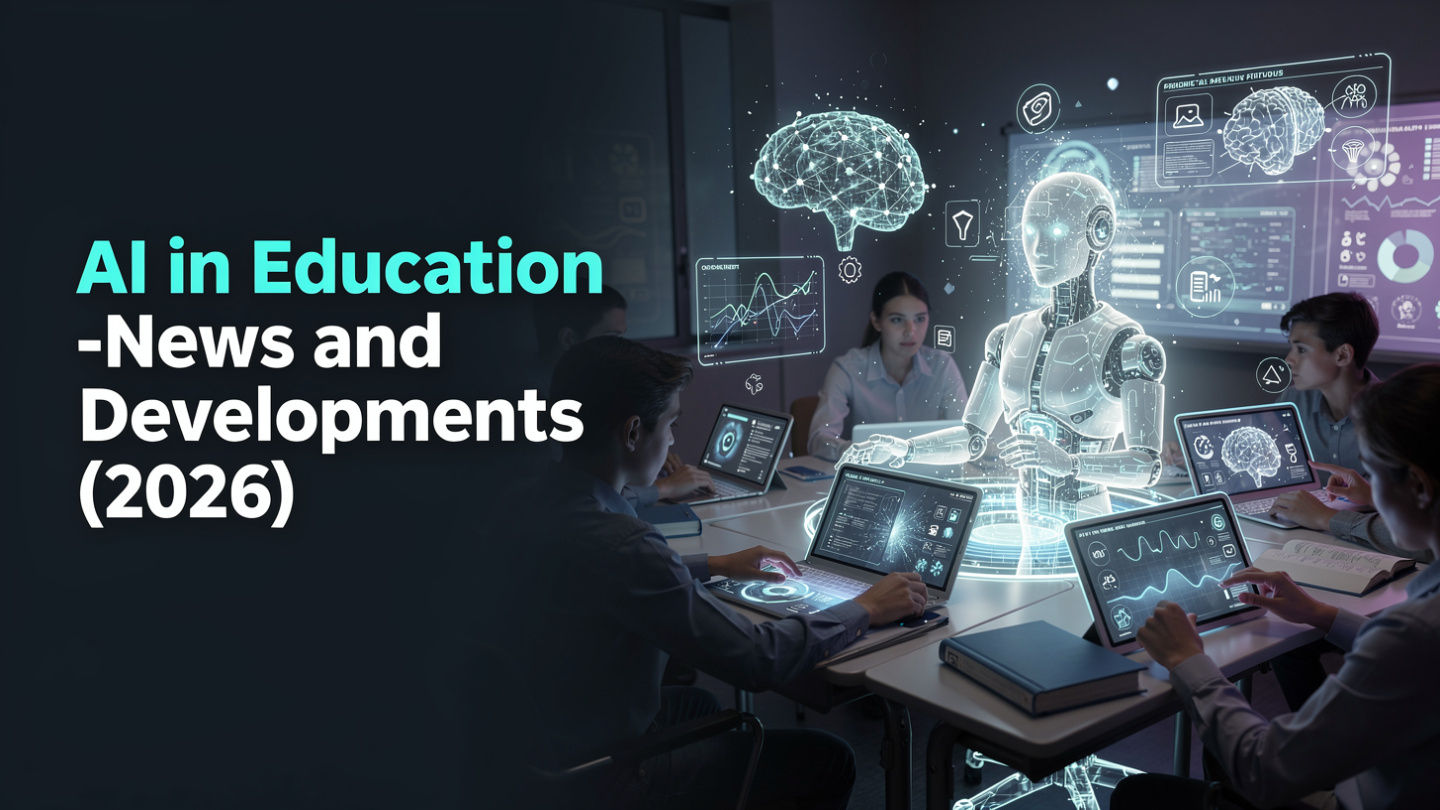
AI in education is no longer a future-facing concept. In 2026, schools, universities, tutors, and independent learners are all using AI tools to personalize study support, speed up lesson preparation, and expand access to learning resources. The real question is not whether AI belongs in education, but how it should be used so that students benefit without losing the human guidance, accuracy, and trust that good learning depends on.
That is why the current conversation around educational AI includes both excitement and caution. Teachers want tools that save time, students want faster feedback, and institutions want scalable support systems. At the same time, educators need to think carefully about quality, fairness, and responsible classroom use. For a broader look at that balance, readers can compare this topic with challenges and limitations of AI.
What Is Changing in Classrooms
One of the clearest developments is personalized support. AI tools can adapt practice questions, summarize long readings, translate material into simpler language, and offer immediate feedback on writing or quizzes. These features can help students move at a more comfortable pace while giving teachers clearer visibility into where extra support is needed.
Another shift is the growing use of AI to reduce repetitive work. Teachers can draft outlines, discussion prompts, lesson starters, and revision materials much faster than before. When used well, that can free up time for teaching, coaching, and relationship-building instead of replacing the educator's role. Teams interested in practical classroom utilities can also explore create free tools with AI for examples of simple resources that support real learning needs.
Benefits Students and Teachers Notice First
- Faster feedback on drafts, quizzes, and revision exercises.
- Better access to resources for students who need alternative formats or pacing.
- Reduced administrative burden for teachers preparing materials and reviewing patterns.
- More flexible study support outside normal classroom hours.
These benefits are especially meaningful when AI is treated as a study aid rather than an answer machine. Students still need to evaluate information, cite sources correctly, and develop their own thinking. That is part of why AI literacy is becoming just as important as AI access.
Where Schools Need Caution
Educational AI can create problems if schools rush ahead without policies. Common concerns include privacy, bias, overreliance on automated answers, and the temptation to use AI for academic shortcuts. Password security matters here too, because students and teachers increasingly manage more online platforms than ever. For a related security angle, see how to create an unhackable password in 3 seconds and how AI is impacting digital security and password protection.
The strongest education strategies now combine AI tools with clear teacher oversight. When schools focus on transparency, accessibility, and critical thinking, AI becomes far more useful as a learning companion than as a shortcut.